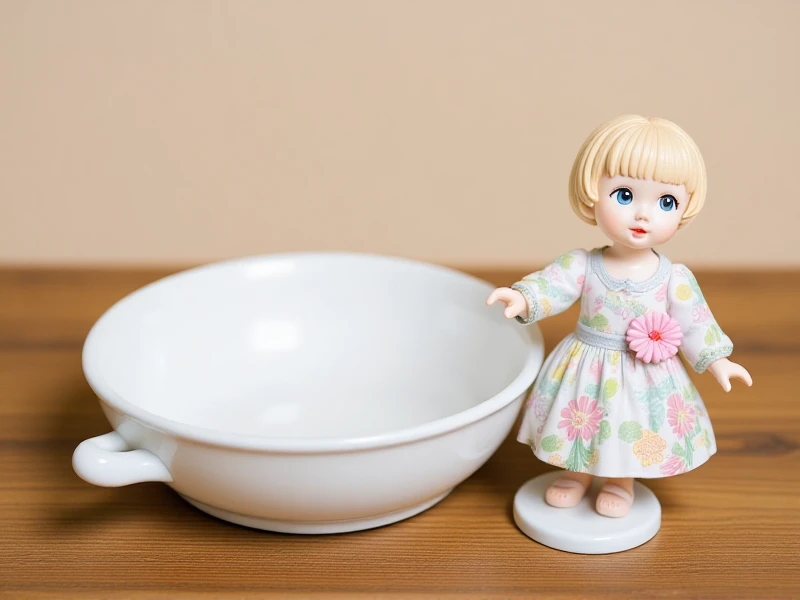
The Enchanting World of Ceramic Dolls: Timeless Treasures to Cherish
Ceramic dolls, capturing hearts for centuries, remain exquisite collectibles steeped in history and artistry. These delicate figures, crafted from fired clay – often porcelain or bisque – transcend mere toys, representing craftsmanship, cultural heritage, and enduring beauty. Understanding their evolution and care makes appreciating these beautiful creations even more rewarding.
The Origins of Charm:
Ceramic doll production flourished in Europe, particularly Germany and France, during the 19th and early 20th centuries. Renowned manufacturers like Kestner, Simon & Halbig, and J.D. Kestner created incredibly detailed bisque (unglazed porcelain) heads with lifelike features, expressive glass eyes, and finely painted details. Dolls made entirely of porcelain (glazed ceramic) were also popular, known for their beautiful gowns and delicate structures. Each ceramic doll was a testament to the artisan's skill, from sculpting the initial form to adding intricate wigs made of mohair or human hair and hand-sewn costumes using luxurious fabrics like silk and lace.
Why Collect Ceramic Dolls?
For collectors, ceramic dolls offer immense appeal. They are cherished as heirlooms, passed down through generations. Their historical significance links us to past eras and manufacturing techniques. The sheer variety is astounding – from elegant lady dolls and character babies to representations from different cultures and occupations. The aesthetic detail in each ceramic doll, the fineness of the sculpting, the subtlety of the paint, and the craftsmanship of their attire, makes them true objets d'art. Every antique ceramic doll has a unique story, adding to its allure.
Essential Care for Your Ceramic Treasure:
Preserving a ceramic doll requires gentle handling and awareness:
- Avoid Direct Sunlight: Ultraviolet rays cause fragile paints, fabrics, and wigs to fade dramatically and irreversibly. Display them away from sunny windows.
- Mind Temperature & Humidity: Extreme fluctuations harm ceramics and textiles. Avoid damp basements, hot attics, and spots near heat vents. Stable, moderate indoor conditions are best.
- Dust Carefully: Use a very soft, dry artist's brush to gently dislodge dust from crevices, porcelain surfaces, and clothing. Never use water or cleaning chemicals; they cause catastrophic damage to paint and materials.
- Support Fragile Parts: Handle the ceramic doll by its torso, never by limbs, head, or delicate extremities which are prone to breaking. Repairs can devalue antique dolls significantly.
- Periodic Checks: Gently inspect your ceramic doll regularly for any signs of deterioration, unstable wigs, or insect damage (especially in old fabrics or stuffing).
Whether you admire the nostalgic charm of a vintage ceramic doll or the exquisite detail of a modern artisan piece, these figures offer a unique blend of artistry and history. They embody a dedication to craftsmanship rarely seen in modern mass production. Owning and caring for a ceramic doll means preserving a tangible piece of cultural expression – a silent, beautiful companion echoing the artistry of the past. Cherish them well, and they will be treasures for generations to come. Consider welcoming one into your collection and experience their enchanting presence firsthand.