Discover the Timeless Allure and Versatility of Ceramic
Okay, here's an SEO-optimized English article focused on the keyword "Ceramic", tailored for a website content section:
Ceramic. The very word conjures images ranging from ancient pottery shards to sleek modern tiles and cutting-edge technological components. This remarkably versatile material, born from earth and fire, has shaped human civilization for millennia and continues to be integral to our daily lives.
At its core, ceramic refers to inorganic, non-metallic solids formed by heating natural materials, primarily clay, to high temperatures. This firing process fundamentally changes the material's properties, making it hard, durable, and often resistant to water, heat, and chemical corrosion. This inherent sturdiness is a cornerstone of its appeal.
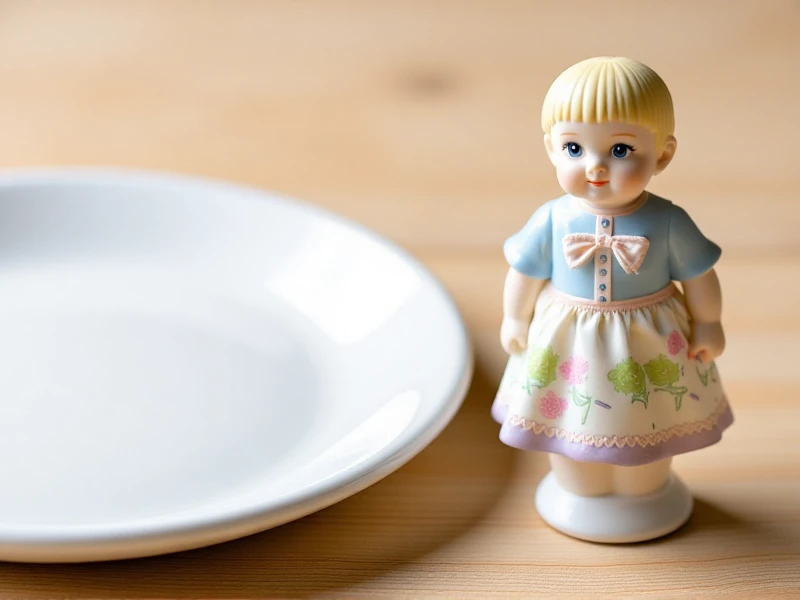
Perhaps the most familiar domain of ceramic is in our homes. Ceramic tableware – plates, bowls, cups, and mugs – graces our kitchens and dining tables, prized for its aesthetic range, hygiene, and heat retention. Bathrooms feature ceramic tiles, sinks, and toilets, offering practicality combined with design flexibility. Beyond the purely functional, ceramic art holds immense cultural significance. From intricate hand-painted vases and delicate porcelain figures to stunning sculptures, ceramic artistry showcases profound creativity and technical mastery. These pieces are not just objects; they embody tradition and artistic expression.
The reach of ceramic materials extends far beyond decoration and dining. Think of the brick and terracotta used in construction for centuries, renowned for their thermal mass and architectural beauty. In the world of engineering, advanced ceramics play crucial roles. Their electrical insulation properties make them vital in electronics, while their heat resistance enables their use in critical applications like jet engine components, brake pads, and thermal protection systems on spacecraft. Some modern ceramics are highly biocompatible, leading to innovations in dental implants and prosthetics. This adaptability is truly remarkable.
The durability of ceramic materials is legendary. Properly crafted ceramic objects can last for hundreds, even thousands, of years, becoming cherished heirlooms. Modern manufacturing techniques have also driven continuous innovation, creating ceramics that are tougher, lighter, possess unique electrical properties, or have specific biological responses, pushing the boundaries of science and industry.
Whether you encounter it in a delicate teacup, a durable floor tile, a beautiful sculpture, or the critical part of a high-performance machine, ceramic is a testament to human ingenuity in transforming natural elements into objects of utility, art, and technological advancement. Its timeless appeal and ever-expanding applications ensure that ceramic remains an essential and fascinating part of our material world.